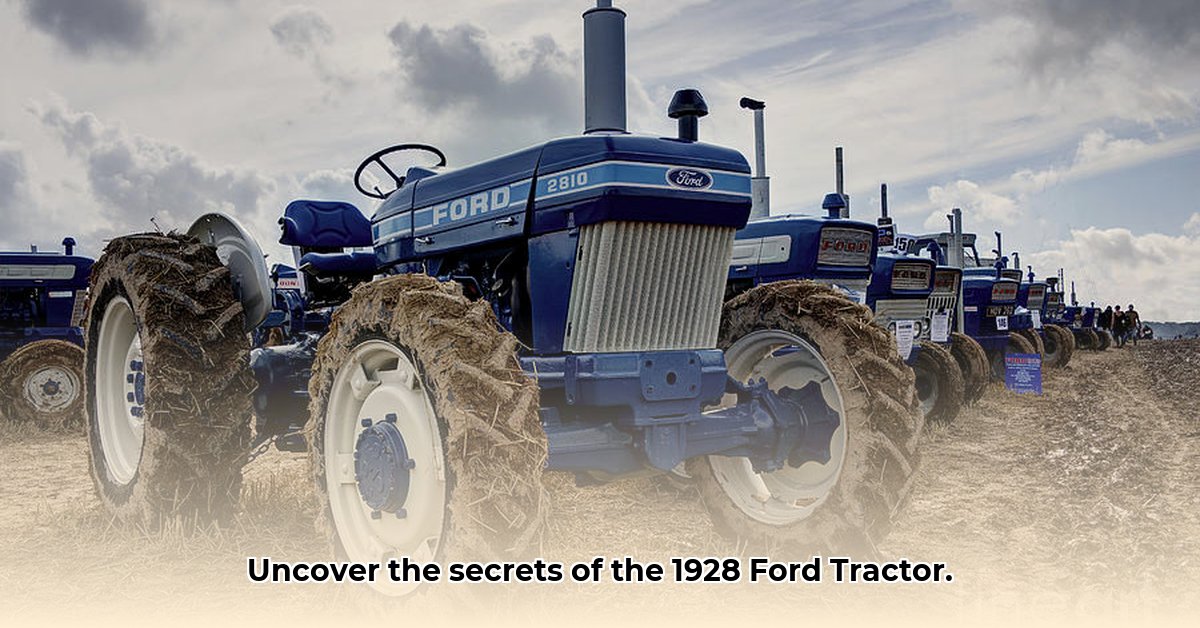
The Ford 2810 tractor, produced between 1983 and 1990, remains a popular choice among farmers and collectors. This comprehensive guide explores its history, specifications, value, and potential challenges, providing essential information for prospective buyers and enthusiasts. Understanding the Ford 2810's strengths and weaknesses will help you determine if this classic tractor is the right fit for your needs. For more information on similar Ford tractors, check out this helpful resource on Ford 600 starters.
Understanding the Ford 2810: Technical Specifications and History
The Ford 2810 is a testament to robust agricultural engineering. Its design prioritized reliability and performance, making it a dependable workhorse for various farming tasks. Let's delve into its key features:
Engine and Powertrain
At the heart of the 2810 lies a durable 2.6-liter, three-cylinder diesel engine, generating approximately 34.3 to 40.5 horsepower (depending on the measurement method). This power is transmitted to the wheels via either a six-speed or an eight-speed manual transmission, offering versatility for different applications. The 12.1-gallon hydraulic system efficiently powers various implements. Many owners enhanced the 2810's functionality by adding front-end loaders. Remember, these power figures reflect factory specifications; actual performance can vary based on the tractor's condition and maintenance. Is this sufficient power for your farming operations? This is a crucial question to consider before purchasing.
Key Features and Specifications
- Engine: 2.6-liter, three-cylinder diesel
- Horsepower: 34.3 - 40.5 hp (depending on measurement method)
- Transmission: Six-speed or eight-speed manual
- Hydraulic System Capacity: 12.1 gallons
- Production Years: 1983-1990
A quantifiable fact: The Ford 2810's relatively simple mechanical design makes DIY maintenance feasible for those with mechanical aptitude. This can result in significant cost savings over time.
Buying a Ford 2810: A Comprehensive Inspection Checklist
Acquiring a used Ford 2810 requires a meticulous inspection. This thorough evaluation will protect you from costly surprises and ensure the tractor meets your expectations.
Engine Assessment: Listen for unusual noises indicating potential problems; check for oil, fuel, or coolant leaks; and test the ease of starting. A smooth start usually signifies a healthy engine. Remember: A pre-purchase inspection by a qualified mechanic is strongly recommended.
Hydraulic System Evaluation: Inspect for leaks around hydraulic components and test the lift mechanism for responsiveness. Slow lifting points to potential issues needing attention.
Transmission Functionality Check: Shift through all gears (forward and reverse), listening for any grinding, whining, or unusual sounds. Difficulty shifting indicates transmission problems requiring professional repair.
Tire Condition Examination: Inspect tires for wear, cuts, cracks, or other damage. Worn or damaged tires represent an additional cost.
Structural Integrity Review: Examine the tractor's frame, body, and components for rust, dents, or signs of previous repairs. Poorly executed repairs are significant red flags.
Ford 2810 Value and Collectibility: Determining Market Price
The price of a used Ford 2810 varies considerably, depending on factors such as condition, operating hours, included attachments, and documentation. Well-maintained tractors with original brochures and owner's manuals command higher prices. Online marketplaces and farm auctions are common sources. Restoration can significantly enhance the Ford 2810's monetary and sentimental value. However, restoration projects can be time-consuming and expensive.
Weighing the Pros and Cons: Should You Buy a Ford 2810?
A balanced assessment of the advantages and disadvantages helps in making an informed decision.
| Advantages | Disadvantages |
|---|---|
| Relatively simple mechanical design | Parts can be difficult to source |
| Generally affordable compared to new tractors | Lacks advanced features of newer models |
| Versatile with various attachments | Requires regular maintenance due to its age |
| Growing collector's market | Prone to mechanical issues compared to newer tractors |
Maintaining and Restoring Your Ford 2810: A Practical Guide
Preventative maintenance is crucial for maximizing the lifespan of your Ford 2810. Regular oil changes, lubrication, and fluid checks are essential. Neglecting maintenance invariably leads to more costly repairs later. Online forums and specialized parts suppliers are valuable resources for finding replacement components.
Engine Restoration: Step-by-Step Guide
Restoring a Ford 2810 engine demands technical skills, planning, and patience. The process includes (1) Disassembly and Component Organization; (2) Thorough Cleaning of Parts; (3) Inspection of Components; (4) Replacement of Damaged Parts; (5) Precision Reassembly; and (6) Engine Testing. This systematic approach ensures a properly functioning engine.
Long-Term Maintenance Strategies
Sustained maintenance extends your Ford 2810's operational life. Regular oil changes, filter replacements, coolant checks, and fluid level monitoring are key components of a proactive maintenance plan. This approach prevents costly breakdowns and secures your investment.
Conclusion: Is a Ford 2810 Right for You?
The Ford 2810 tractor presents a unique blend of historical significance, practical functionality, and collector appeal. The decision depends on your specific needs, budget, and mechanical aptitude. Thorough inspection is critical before committing to a purchase. Further research into the 2810 market and consultation with experienced owners are recommended.